




“Global Civilization Initiative” : Recognizing diversity as a universal asset, making intercultural dialogue and mutual learning, catalysts for understanding and shared progress

At this period in human history, as the world faces numerous development challenges, multifaceted transformations, geopolitical tensions, and misunderstandings, particularly in the cultural sphere, dialogue among civilizations has emerged as an absolute necessity, an imperative for all humanity.
Cultural diversity, which lies at the foundation of human societies, should not constitute an obstacle to international cooperation. Rather, it should remain an inexhaustible source of creativity and mutual enrichment. It is within this context that “Global Civilization Initiative” (GCI), proposed by Chinese President Xi Jinping to the International Community on March 15, 2023, should be understood. The principal pillars of this initiative, that has become part of the common heritage of humanity, include respect for the diversity of civilizations, the common values of humanity, cultural transmission and innovation, and the strengthening of people-to-people exchanges.
As a member of the jury for the “Orchid Awards”, I consider this important initiative to be an invaluable framework for rethinking international cooperation and a meaningful basis for examining the role of culture in bringing peoples closer together and in building a community with a shared future for mankind. “Global Civilization Initiative” underscores the fact that human development cannot be confined to economic and technological dimensions alone. It also rests on the ability of peoples to recognize cultural plurality, foster mutual understanding, and transform differences into opportunities for cooperation. The significance of the GCI lies in its capacity to make cultural diversity a catalyst for mutual understanding and shared development.
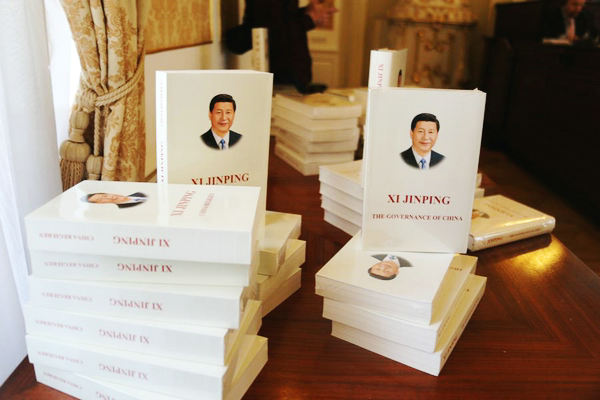
In the fifth volume of “Xi Jinping: The Governance of China”, we find the statement that “human civilization is colorful by nature”. This statement serves as a reminder that cultural plurality is an essential component of human society, rather than an impediment to its flourishing. It highlights a fundamental principle: “the unity of humanity does not presuppose the uniformity of its cultures”. The diversity of cultural expressions enriches humanity’s common heritage and opens up new perspectives through which peoples can better understand and address global challenges.
“The diversity of civilizations is a universal asset,” insofar as each civilization is the product of a particular historical evolution, shaped by lived experiences, sociocultural practices, customs, beliefs, languages, and bodies of knowledge which collectively define its identity. No single civilization can, on its own, provide all the answers to the challenges the world is facing. Recognizing this diversity can undoubtedly serve as the starting point for genuine global dialogue in pursuit of the common good. “It is precisely because of their differences in history, culture and system that all countries should interact with one another, learn from each other and advance together”.

The GCI promotes an approach grounded in mutual respect, dialogue, and inclusion. It calls upon societies to move beyond prejudice and notions of civilizational superiority, while recognizing that there are multiple pathways to development. This approach requires that all civilizations and cultures be understood within their respective geographical, historical, and social contexts, with openness and respect. Mutual learning thus emerges as a dynamic process of dialogue and reciprocal understanding. Genuine intercultural dialogue entails a willingness to understand other cultures and to draw lessons from their different experiences.
In today’s interconnected world, the experiences of different civilizations can enrich collective reflection and inform a shared approach to addressing the challenges of common development, guided by reciprocity and mutual respect. The purpose of mutual learning is not to erase distinctive cultural characteristics, but to enable each civilization and each society to preserve its own identity while benefiting from the valuable contributions of others. This interplay between preservation and openness creates a space for reciprocal exchange, a dynamic process of “giving and receiving”, and of embracing the enriching influences of the wider world.
It is precisely in this regard that cultural exchanges serve as bridges for cooperation and as vehicles for bringing peoples closer together. They give tangible expression to the aspirations of peoples, particularly young people, who are the custodians of cultural heritage. From this perspective, the ethos of the Orchid Awards offers an opportunity to highlight initiatives which promote cooperation and intercultural understanding while challenging and dismantling prejudice. Recognizing cultural actors helps bring visibility and value to the individuals and institutions that make dialogue an integral part of their daily practice. In this regard “International cooperation, openness, and sharing are now more essential than ever for tacking challenges that impact all of humanity”.
To foster lasting understanding, cultural exchanges must be grounded in the active participation of peoples themselves. In this regard, culture should not be reduced to a mere instrument of institutional communication. Rather, it should encourage independent reflection and create spaces for encounter and meaningful engagement. As “Global Civilization Initiative” reminds us, “we should remain committed to exchanges and mutual learning among civilizations.” This is a fundamental prerequisite for respectful dialogue, one which goes beyond the unilateral transmission of a cultural model and enables civilizations to learn from one another.
Prof. Yoro DIALLO
Senior Researcher/ Director of the Center for Francophone Studies
Director of the African Museum, and the China-Africa Exchanges Museum
2024 Chinese Government Friendship Award
Institute of African Studies, Zhejiang Normal University
Jinhua/CHINA